Alonso Group presents the Fuente de San Luis intermodal terminal as a versatile, modern and innovative hub


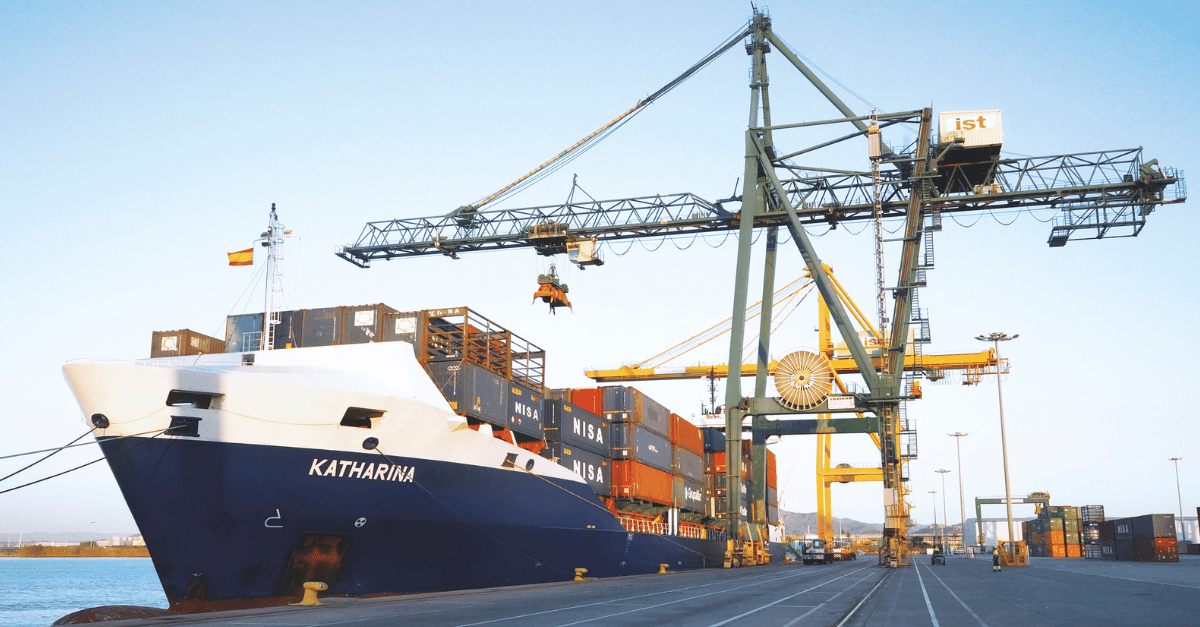
The Valencia-Fuente de San Luis intermodal terminal, managed by Alonso Group through its company UTE Sefemed, is a modern, logistical and strategic node of the Mediterranean Corridor. The holding company plans to develop the facilities in what it considers to be the intermodal terminals of the 21st century: more versatile and modern, using the latest technologies such as 5G, automation, electrification and innovative software for terminal management.
Dry and refrigerated cargo with all types of services
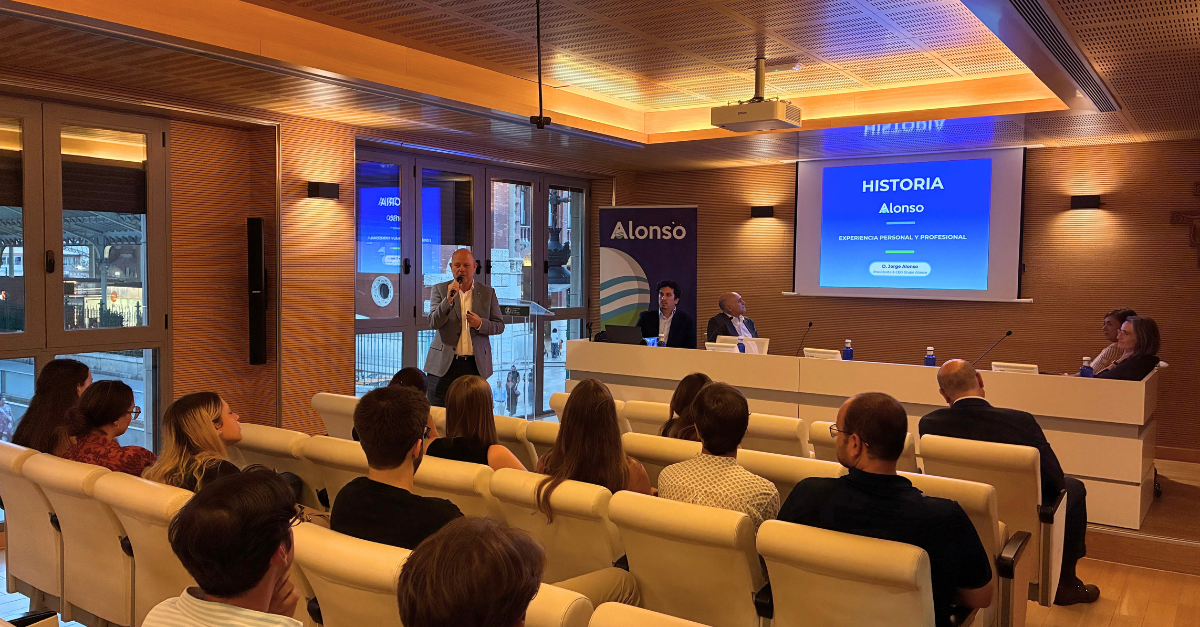
Jorge Alonso, Alonso Group’s president and CEO, during the presentation of the terminal together with ADIF and the Port Authority of Valencia, stated that this facility will have trains that combine “cold and dry“. In this sense, he stressed that, until now, “nobody is daring to combine them” because the current terminals are not prepared to meet these needs.
At the same time, he stated that “we are not only thinking about the container, but also about the merchandise”, with the aim of deconsolidating and consolidating it quickly, offering a wider range of services to customers”.


An integrated logistics hub in the city
In addition, it is already a strategic terminal as it is located close to the city, which allows it to work with the last mile. “We are going to be able to distribute from the terminal directly to the population, and be able to consolidate the product, without using the lorry”. The terminal is very close to the Valencia port area, Mercavalencia and the ZAL.
These were some of the main conclusions of the presentation event organised by the Alonso holding company, ADIF -owner of the facilities- and the Port Authority of Valencia (APV), which was held with the aim of making the full capabilities of the facilities known to the main representatives of the logistics sector.
Jorge Alonso, Alonso Group president and CEO, has highlighted the objective of “offering our customers all possible services for all types of goods within the terminal itself”. To this end, the Valencia-Fuente de San Luis terminal will have a dry and cold warehouse, a workshop for repairing containers and semi-trailers, cooling towers, an administration building, as well as automated accesses and exits.
The intermodal terminal will have a capacity to operate 150,000 Intermodal Transport Units (ITU), and handle up to 2,600 freight trains per year and its two gantry cranes will have a storage capacity of 2,500 TEU/year..
Alonso Group, through UTE Sefemed, has a 14-year concession period for these facilities, which can be extended for a further 6 years.
Rail freight, a necessity
During his speech, Alonso Group’s president and CEO, Jorge Alonso, also recalled the need to “promote rail transport in order to move towards a more sustainable and multimodal mobility. We must bet on innovative terminals at origin and destination”. A challenge in which “the involvement of the different administrations” is necessary, he stressed.
It should be remembered that the Valencia-Fuente de San Luis logistics node is part of the Safe, Sustainable and Connected Mobility Strategy 2030 of the Ministry of Transport, Mobility and Urban Agenda, aimed at effectively increasing rail freight transport by promoting strategic intermodal nodes.
The terminal is also part of the project “Digitalised and automated management of container reception and delivery at the intermodal terminal”, which is based on its modernisation through the implementation of a TOS (Terminal Operating System) for the management and control of rail and road accesses, and control of existing equipment. A project that also has the support of MITMA within the Recovery, Transformation and Resilience Plan – Financed by the European Union – NextGenerationEU.
In this context, the work to promote national and European corridors; connections with logistics and port infrastructures; rail motorways; the development of modern and digitised logistics areas or smart intermodal logistics chains is fundamental. The ultimate goal is to promote decarbonisation and the fight against climate change, linked to the transformation of the economy.